Clinical Behaviour Support
Clinical Behaviour Consultations
Understanding Your Dogs Behaviour
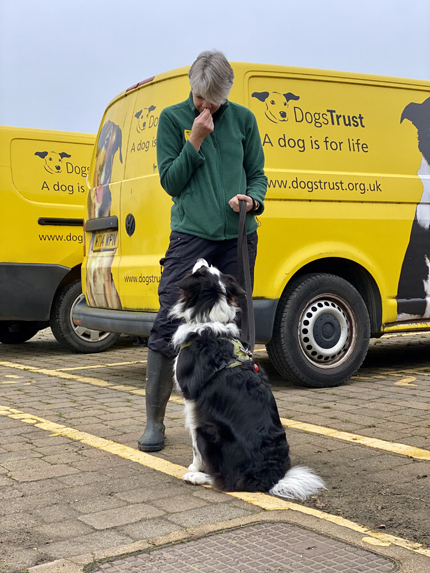
As a Registered Clinical Animal Behaviourist, my role is to understand why your dog is behaving as they are. This involves assessing the medical, emotional, environmental and learning factors influencing the behaviour before developing an evidence-based Behaviour Modification Plan tailored specifically to your dog.
- Fears and phobias
- Stress and anxiety
- Nervous behaviour around people or objects
- Issues with grooming and vets visits
- Obsessive or compulsive behaviour
- Hyper sensitivity or resource guarding
- Problematic behaviour with a recent issue
- Bonding issues with family and multi-dog households.
Unlike weekly dog training sessions, clinical behaviour work focuses on identifying and addressing the underlying causes of behavioural concerns. Behaviour change takes place in your dog’s everyday environment through the consistent implementation of your Behaviour Modification Plan, supported by ongoing professional guidance and review.
Clinical behaviour work and reward-based training are complementary. Behaviour modification addresses the factors influencing and maintaining behavioural concerns, whilst training helps owners develop the practical skills needed to support their dog’s progress.
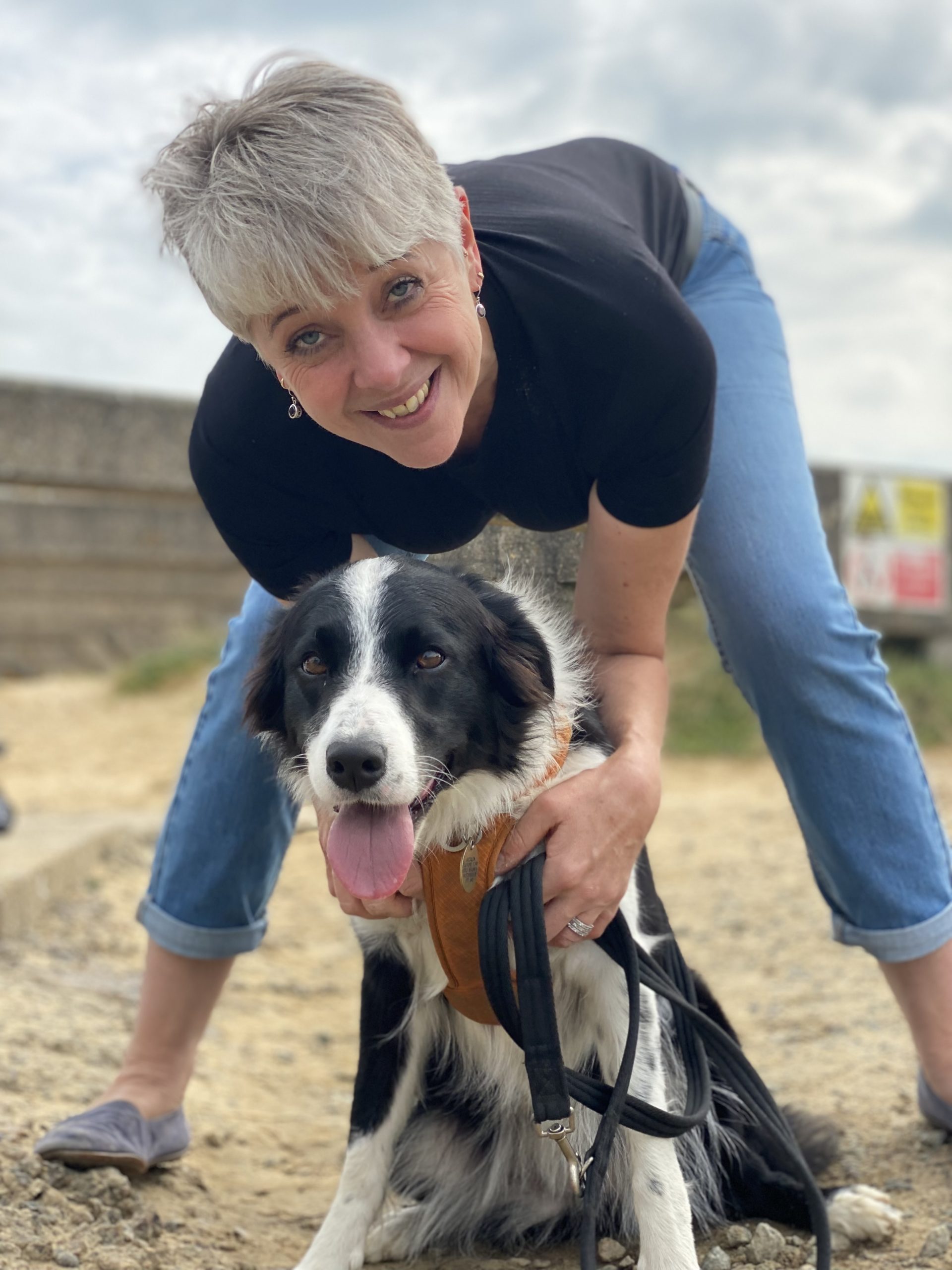
Helen Green
Registered Clinical Animal Behaviourist
Clinical Behaviour Consultation vs Training
| Training Consultation | Clinical Behaviour Consultation |
| Focuses on teaching new skills. | Focuses on understanding why behaviour occurs. |
| Suitable for obedience and life skills. | Suitable for fear, anxiety, aggression, separation-related behaviours, compulsive behaviours and other complex behavioural concerns. |
| Delivered as regular practical lessons. | Begins with a comprehensive assessment and Behaviour Modification Plan. |
| Practical coaching at each session. | Clinical assessment, formulation and ongoing case management. |
| Veterinary referral not usually required. | Veterinary referral required. |
What Your Behaviour Assessment & Treatment Programme Includes
Your consultation is only one part of the programme. Significant professional time is spent reviewing your dog’s history, developing your Behaviour Modification Plan and supporting you throughout treatment.
Depending on your dog’s individual needs, your programme may include:
- Review of your behavioural questionnaire.
- Review of veterinary medical history.
- Liaison with your veterinary surgeon.
- A comprehensive 2–3 hour home consultation.
- Clinical assessment, behavioural formulation and risk assessment.
- A detailed, personalised Behaviour Modification Plan.
- Supporting resources relevant to your dog’s treatment.
- Scheduled review consultation(s).
- Twelve weeks of clinical case management.
- Adjustments to your Behaviour Modification Plan as your dog progresses.
Your Role and My Role
Behaviour change happens in your dog’s everyday environment, not during a weekly appointment.
My role is to assess the problem, develop an evidence-based treatment plan and provide professional guidance as you implement it. Much like physiotherapy or other rehabilitation services, progress comes from consistently following the treatment programme between reviews, with ongoing assessment and refinement where necessary.
Where clinically appropriate, additional consultations can always be arranged and are charged separately.
Professional Standards
Your dog’s Behaviour Assessment & Treatment Programme is supported by:
- BSc (Hons) Animal Behaviour.
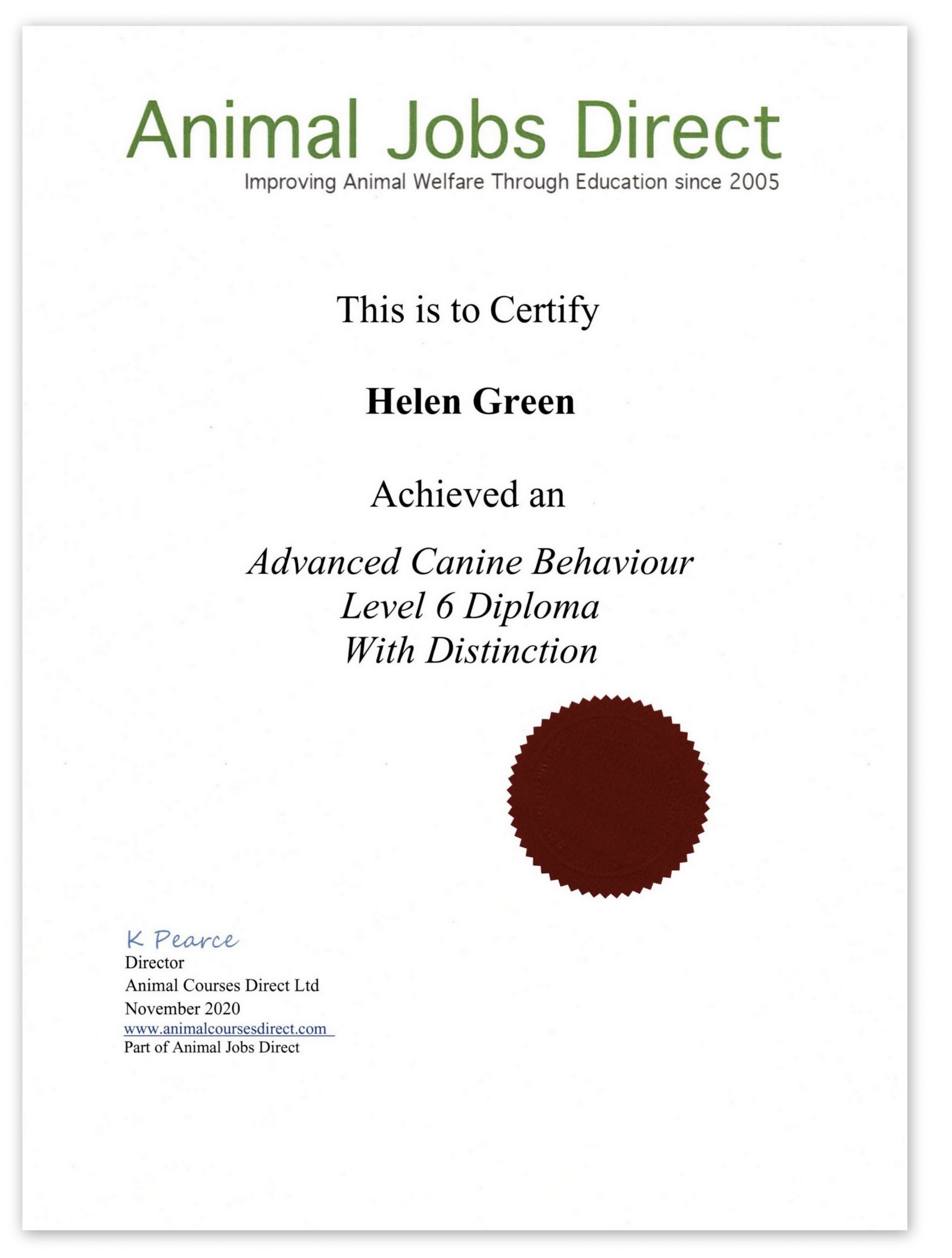
- Advanced Level 6 Canine Behaviour qualifications.
- Registered Clinical Animal Behaviourist (CAB).
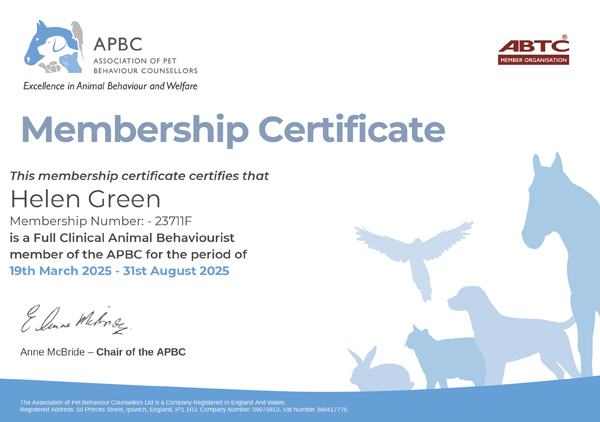
- APBC and ABTC registration.
- Pre-certificated Registered Certified Clinical Animal Behaviourist (CCAB).
- Veterinary referral and collaborative working with your veterinary surgeon.
- Evidence-based practice, clinical assessment and behavioural formulation.
- Ongoing professional development.
- Specialist professional insurance.
This level of qualification, together with the veterinary referral process, means consultations may be eligible for reimbursement under some pet insurance policies, subject to your insurer’s terms and conditions.
Behaviour Consultation Fees
Behaviour Assessment & Treatment Programme – £525
Designed for dogs requiring a comprehensive clinical assessment together with ongoing professional support over a 12-week treatment programme.
Includes:
- 2–3 hour home consultation.
- Review of behavioural and veterinary history.
- Liaison with your veterinary surgeon.
- Detailed Behaviour Modification Plan.
- Supporting resources.
- Scheduled telephone review at approximately two weeks.
- Follow-up consultation at approximately eight weeks.
- Twelve weeks of structured clinical management.
Additional Review Consultation – £165
Available to existing behaviour clients who require additional support following completion of a Behaviour Assessment & Treatment Programme.
Includes:
- Review consultation.
- Assessment of ongoing concerns.
- Updates to the Behaviour Modification Plan where appropriate.
- Written summary of recommendations.
Clinical Behaviour Assessment Only – £250
Suitable for straightforward behavioural concerns where a one-off assessment is likely to be sufficient.
Includes:
- 2–3 hour home consultation.
- Summarised Action Plan.
This is not suitable for cases involving fear, anxiety, aggression, resource guarding, separation-related behaviours, multi-dog household concerns or those requiring veterinary liaison. They usually benefit from the Behaviour Assessment & Treatment Programme.
Clients may upgrade to the full programme within 21 days by paying the difference in programme fees.
Insurance
Payment is due before the initial consultation.
Many pet insurance policies will consider claims for behavioural treatment provided by APBC registered Clinical Animal Behaviourists working under veterinary referral. Please contact your insurer before booking to confirm your level of cover.
APBC Registration Number: 23711F
Please note: Behaviour is influenced by many factors, including health, genetics, learning history, emotions and the home environment. Whilst every recommendation is based on current scientific evidence and tailored to your dog’s individual needs, behavioural outcomes cannot be guaranteed. My commitment is to provide a thorough clinical assessment, an evidence-based treatment programme and ongoing professional support to help achieve the best possible outcome for both you and your dog.